Madrasah education has long been the backbone of the Bangsamoro Autonomous Region in Muslim Mindanao (BARMM), shaping not only the region’s spiritual and moral fabric but also its socio-political and economic landscape. The creation of BARMM is a living testament to the resilience and significance of Madrasah education, with many of the founding members of the Moro Islamic Liberation Front (MILF) being products of these institutions.
Thanks to the invitation of the Ministry of Basic, Higher and Technical Education for tomorrow’s event (Thursday, July 18, 2024), at Dusit Thani, Makati City on Madrasah Education Partners Forum.
Today, the impact of Madrasah education is more profound than ever. The number of Madrasah teachers or Islamic Studies and Arabic Language (ISAL) educators has surged to over 5,000, each earning a respectable salary of 16,000 pesos. This growth underscores the pivotal role of Madrasah education in providing quality education and employment opportunities within the region.

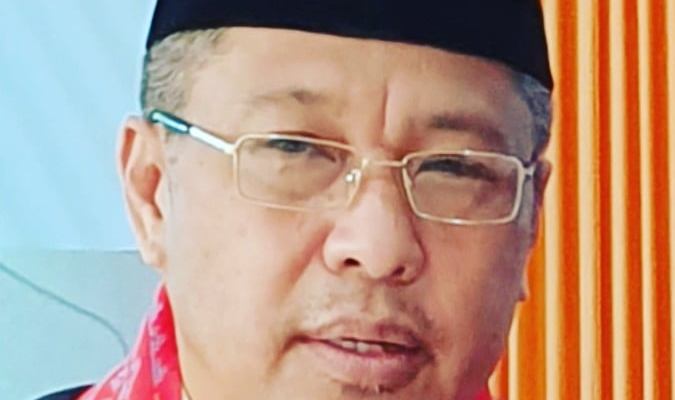
By
Abdul
Hannan M.
Tago
Madrasah education has transitioned from remote areas and jungles to being a central topic of discussion in five-star hotels in the capital. This evolution reflects the increasing recognition and respect for the integral role that Arabic and Islamic studies play in today’s globalized world.
Arabic education, with its roots in the Arab world, has become a gateway to economic opportunities. The Gulf Cooperation Council (GCC) countries, once known solely for their oil wealth, are now bustling hubs of economic diversity. Saudi Arabia alone welcomed over 60 million visitors in the second quarter of this year, including pilgrims for Hajj and Umrah. This influx highlights the importance of Arabic education in fostering not only religious and cultural understanding but also economic collaboration.
Major global powers are keenly aware of this shift, sending diplomats with Arabic education to these regions to forge political alliances and unlock economic potential. The Halal industry, valued at over 5 trillion dollars, demands individuals with a strong foundation in Arabic and Islamic education. Similarly, the burgeoning fields of Islamic finance and banking, and the ever-expanding tourism industry, require bilingual professionals equipped with the necessary skills to compete and thrive.
To attract Islamic investors and foster sustainable economic growth, it is crucial to cultivate a new generation of bilingual individuals who are both morally grounded and educationally proficient. This will act as a catalyst for significant investments from the 57 Islamic countries, bolstering the region’s economic prospects.
Madrasah education is not merely a vehicle for moral and spiritual development but a strategic asset for economic empowerment. Its role in shaping the future of BARMM and enhancing global economic cooperation cannot be overstated. Investing in Madrasah education and Arabic and Islamic studies is an investment in a prosperous and harmonious future for all.
 PHILIPPINE MUSLIM TODAY