By Ali G. Macabalang
KIDAPAWAN CITY – The Sangguniang Panglungsod (SP) of Kidapawan City is set to conduct on Thursday, August 1 at its session hall the final committee hearing on the proposed Moro Code for the city.
The hearing will be presided over by lawyer Dina Espina-Chua, the committee chairperson, and with the attendance of her members, including Councilor Jason Roy Sibug, who authored the planned edict known as Proposed Ordinance No. 013, series of 2024.
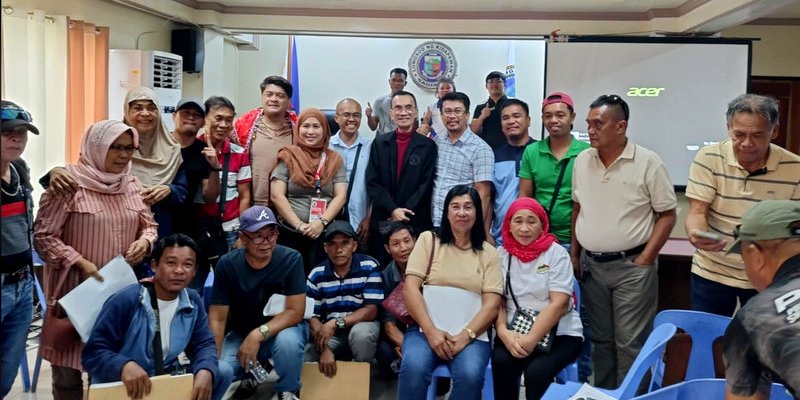
Councilor Espina-Chua through the Committee secretariat has sent out invitation letters to dozens of representatives from different callings in the Moro community in this city, notably knowledgeable individuals who had attended earlier committee hearings.
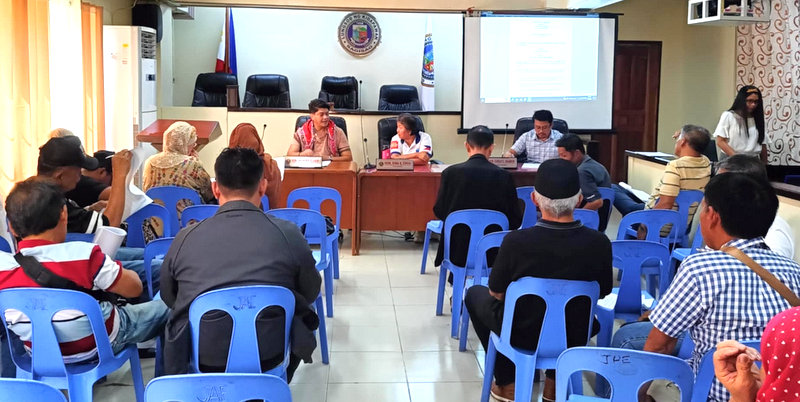
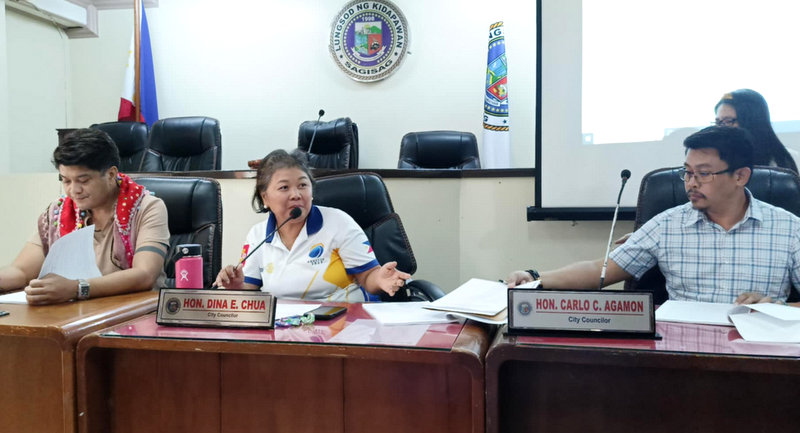
During the second committee hearing joined by Councilors Sibug and Carlo Agamon, she expressed hope that the August 1 hearing would be redound to finalization of inputs they gathered before her committee can decide on its report on the proposed Moro Code for deliberation in plenary sessions.
Entitled “An ordinance providing for the establishment of Moro Code in Kidapawan City,” the proposal seeks to create under the mayor’s office a Moro Affairs Division manned by a division head, six deputy mayors for Maguindanaon, Maranao, Tausug, and Kalagan tribes, Balik-Islam, and traditional leaders, and staffed by three sections on Economic Development, Socio-Cultural Development, and Administrative concerns.
According to Councilor-Author Sibug, the proposed ordinance envisions formulating policies in consonance with the 1987 Constitution, the Local Government Code, and other pertinent laws to preserve and promote the rights and welfare of the city’s Moro residents, and discourage any form of discrimination of the community in pursuit of fostering peace and coexistence in this part of the country.
The North Cotabato government had adopted earlier a provincial version of the Moro Code in what was believed to be a first of its kind in a province in the country.
The proposed city ordinance, once approved, is expected to make Kidapawan as the country’s first city to enact its version, according to participants of earlier committee hearings including the media sector.
While the provincial code stipulates general concerns for Moro constituents’ welfare, the city version proposes some specific highlights that would mandate the establishment of a city Muslim cemetery, a halal slaughterhouse with a display section at the city Mega Market, and a Moro museum, among others, and encourage the opening of Islamic prayer spaces in schools, transport terminal, and other places of convergence.
Elected Muslim officials in some of the city’s barangays have pushed for specific Code provisions on opening halal activities and an Islamic cemetery; encouraging the allocation of Muslim prayer spaces in public establishments; and promoting Moro educational concerns in harmony with regular education systems.
Among the Moro elected barangay officials who participated in the first two committee hearings were the chairperson of Barangay Patadon, and Kagawad Mohammad-Ali Baylon-Macabalang, a lone Muslim kagawad in barangay Amas, the seat of North Cotabato provincial government. (AGM)
 PHILIPPINE MUSLIM TODAY